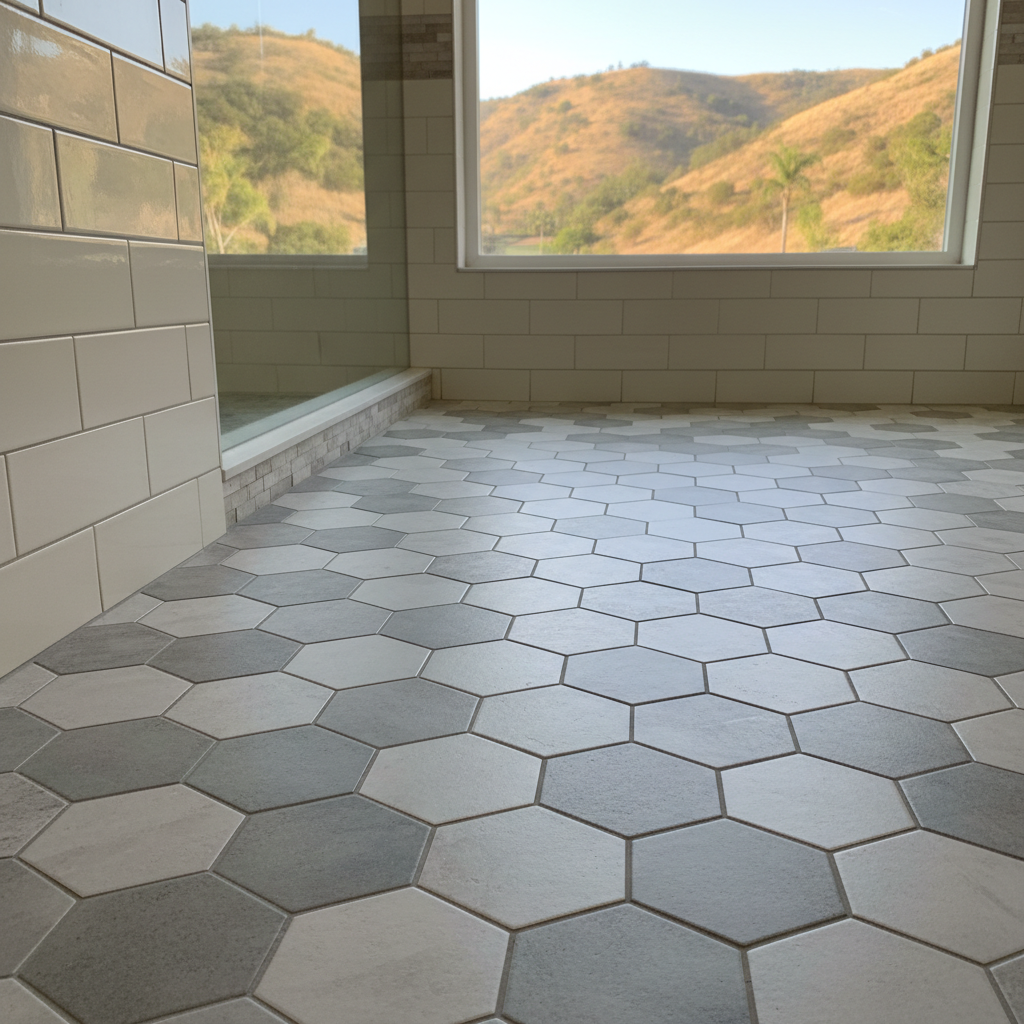
So, you're looking at your floors and thinking, "It's time for a change." Maybe it's that old linoleum in the kitchen, or the carpet in the living room has seen better days. Tile and flooring can totally transform a space, but it's one of those projects where folks often bite off more than they can chew. As a contractor here in Camarillo, I've seen it all – the good, the bad, and the really ugly DIY attempts. Let's talk about what you can realistically do yourself and when you absolutely should call in a pro.
Before You Start: Planning & Prep
First things first, planning is everything. Don't just rip up your old floor and then figure it out. That's a recipe for disaster. You need to decide on your material. Are we talking ceramic tile, porcelain, luxury vinyl plank (LVP), hardwood, or laminate? Each has its own installation quirks.
For any flooring project, the subfloor is critical. If your subfloor isn't sound, level, and clean, your new floor won't last. I'm talking about checking for rot, making sure it's screwed down tight, and patching any holes. For tile, especially, a perfectly flat surface is non-negotiable. If you've got an older home in, say, the Las Posas Estates area, you might find some unevenness that needs serious attention before you even think about laying a single tile.
Another big one: moisture. Especially in bathrooms or kitchens, or if you're on a slab, you need to consider moisture barriers. You don't want mold growing under your brand new floor. This isn't a step to skip.
What You Can Probably DIY
Alright, let's be honest. Some flooring projects are more DIY-friendly than others. If you're handy, patient, and have the right tools, you can tackle a few things:
- Laminate Flooring: This is probably the most DIY-friendly. It's a 'floating' floor, meaning it doesn't attach directly to the subfloor. Most laminates click together, and you cut them with a saw. It's forgiving if you make a small mistake.
- Luxury Vinyl Plank (LVP): Similar to laminate, many LVP products are click-and-lock and float. They're also waterproof, which makes them great for kitchens and bathrooms. Cutting them is usually easier than laminate, often just with a utility knife.
- Basic Ceramic Tile (Small Area): If you're doing a small bathroom floor, say a 5x7 foot space, and you've watched a ton of YouTube videos and feel confident, you might be able to pull it off. You'll need a wet saw (rent one!), trowels, spacers, grout, and a whole lot of patience. The key here is a perfectly prepped subfloor and a good layout plan. Don't underestimate the knee pain.
For any of these, make sure you buy extra material – at least 10-15% more than you calculate. You'll have cuts, mistakes, and future repairs. Trust me on this one.
When to Call a Pro (Like Us at Camarillo Bathroom Solutions)
Now, here's where I tell you when to put down the tools and pick up the phone. Some jobs just aren't meant for the weekend warrior. This is where experience, specialized tools, and knowing all the little tricks of the trade really pay off.
- Large Tile Projects: If you're tiling an entire kitchen, a large living area, or a complex shower, call a pro. Getting a consistent, level tile job over a big space is incredibly difficult. Lippage (where one tile edge is higher than the next) is a dead giveaway of an amateur job, and it's a tripping hazard.
- Natural Stone Tile: Marble, travertine, slate – these materials are expensive and unforgiving. They require specific setting materials, sealing, and cutting techniques. One wrong cut or a bad batch of thinset can ruin hundreds of dollars worth of material.
- Hardwood Flooring: Whether it's solid hardwood or engineered, installing it correctly requires precision. Nailing, gluing, or floating hardwood needs expertise to avoid squeaks, gaps, and an uneven finish. Plus, solid hardwood often needs sanding and finishing after installation, which is a whole other beast.
- Complex Patterns or Layouts: Herringbone, diagonal patterns, intricate mosaics – these are not for beginners. A pro can lay these out efficiently, minimizing waste and ensuring a beautiful, symmetrical result.
- Subfloor Issues: If your subfloor is severely uneven, has water damage, or needs significant repair, don't try to fix it yourself unless you're a carpenter. A bad subfloor will telegraph through your new flooring, no matter how good the top layer is.
- Radiant Heating: If you're integrating radiant floor heating, that's definitely a job for someone who knows what they're doing. You're dealing with electrical or plumbing lines under your floor.
Look, I'm not trying to scare you off. I just want you to have a beautiful, long-lasting floor. There's a real satisfaction in doing things yourself, but there's also a real cost to fixing a botched job. Sometimes, that cost is way more than just hiring someone to do it right the first time. We've certainly seen our share of "fix-it" calls from folks who tried to save a buck and ended up spending more. Think about your time, your sanity, and the value of your home. It's not just about the material cost; it's about the labor and the expertise.
After the Install: Care & Maintenance
Once your new floor is in, whether you did it or we did, proper care is key. Different materials have different needs. Tile and grout need regular cleaning and sometimes resealing. Hardwood needs specific cleaners and protection from scratches. LVP and laminate are generally low maintenance, but still need regular sweeping and damp mopping.
Don't use harsh chemicals unless specifically recommended for your flooring type. A little preventative care goes a long way in keeping your new floors looking great for years to come. And if you ever have questions or run into an issue, you know who to call.