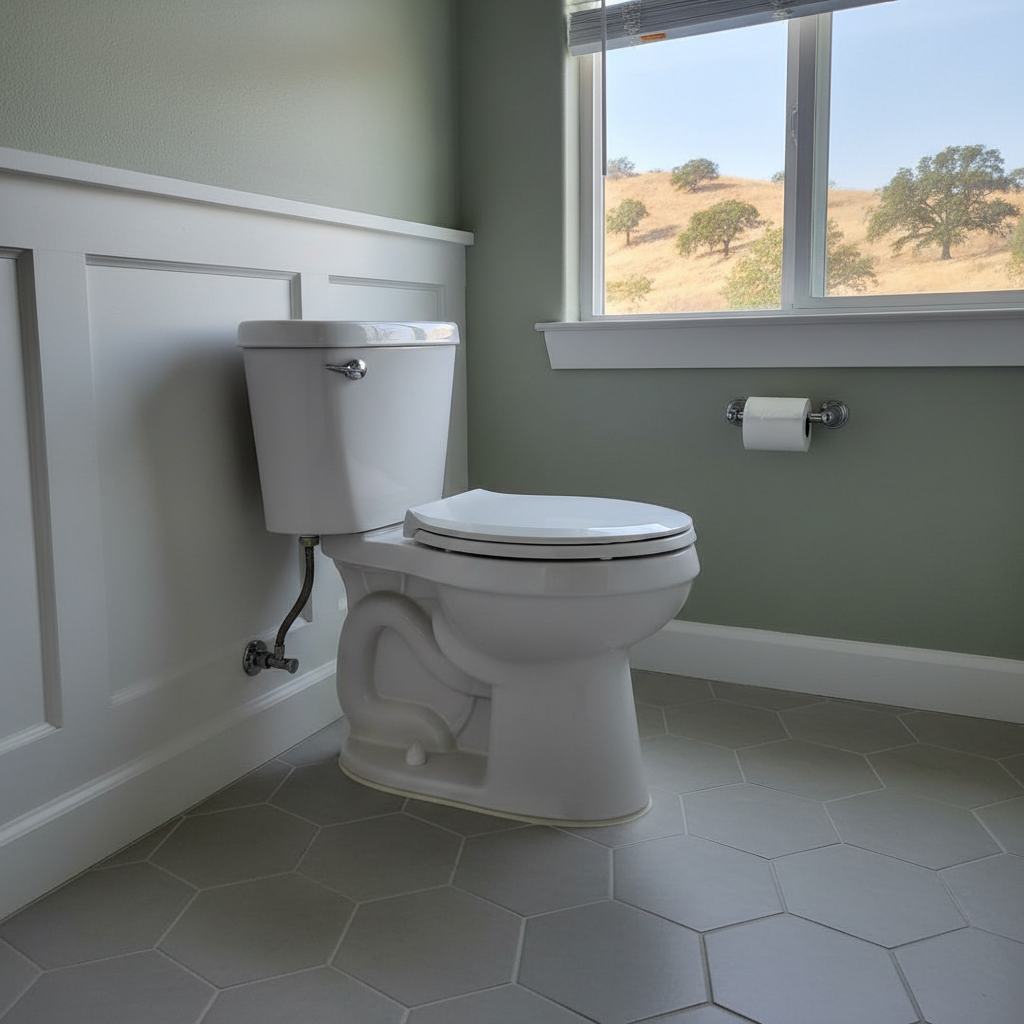
So, you just got a new toilet, huh? Maybe it was part of a bigger bathroom remodel, or perhaps the old one finally just quit. Either way, you're probably thinking, "Great, one less thing to worry about." And you're mostly right! A new toilet, if it's installed correctly, should give you years of trouble-free flushing. But "trouble-free" doesn't mean "maintenance-free." Think of it like a new car; you still have to change the oil, right?
Here in Camarillo, we've got some specific things to consider, especially with our hard water. That mineral content can really do a number on plumbing fixtures over time if you're not paying attention. Honestly, I've seen plenty of perfectly good toilets get gunked up and start failing prematurely just because folks didn't know what to look for.
Making Your Toilet Installation Last Longer
The best way to make sure your new toilet lasts is to start with a good installation. That's where a pro like Camarillo Bathroom Solutions comes in. We make sure everything's sealed right, the flange is solid, and the water supply line isn't crimped or stressed. But once we're gone, keeping an eye on things is really up to you.
First off, don't use harsh chemical cleaners in the tank. Those drop-in tablets might make the bowl look clean, but they can slowly eat away at the rubber and plastic parts inside the tank. That's how you end up with a toilet that runs constantly, or one of those annoying "phantom flushes." Stick to cleaning the bowl itself, and use gentler options.
Another big one? Don't overtighten anything. If you're ever messing with the seat bolts or the supply line, just snug them up. Cranking down too hard can crack porcelain or strip threads, leading to leaks you definitely won't want to deal with.
Regular Maintenance: What You Should Be Doing
Alright, so what *should* you be doing? Not much, thankfully, but these few things make a huge difference:
- Check for Leaks: Every few months, just take a peek around the base of the toilet. Look for any dampness or discoloration on the floor. Also, listen. Is the toilet running when no one's used it? That's a sign of a slow leak into the bowl. You can also put a few drops of food coloring in the tank; if it shows up in the bowl without flushing, you've got a flapper problem.
- Clean the Bowl Regularly: This seems obvious, but consistent cleaning prevents mineral buildup and staining. For our hard water here in Camarillo, a good toilet brush and a cleaner designed to tackle calcium and lime are your best friends. Don't forget to get under the rim!
- Inspect the Tank Internals: Once a year, take the lid off the tank and just look. Are the chains tangled? Does the flapper look brittle or discolored? Is the fill valve making strange noises? These are all easy fixes if caught early. The rubber flapper, especially, can degrade over time, getting stiff or losing its seal.
- Wipe Down the Exterior: This isn't just for looks. Wiping around the base and the supply line connection can help you spot tiny leaks before they become big problems.
Warning Signs of Trouble
Your toilet will usually tell you when something's wrong, if you're listening. Don't ignore these signals:
- Constant Running or Cycling: This is the most common one. It means water is constantly flowing, usually because the flapper isn't sealing right or the fill valve isn't shutting off completely. This wastes a ton of water and can drive up your utility bill.
- Weak Flush: If you have to hold the handle down, or if it just doesn't seem to clear the bowl like it used to, there might be a clog forming or an issue with the siphon jet.
- Leaking at the Base: This is a big one. If you see water pooling around the bottom of the toilet, it means the wax ring has failed. That's not just a mess; it can cause serious subfloor damage if left unchecked.
- Strange Noises: Hissing, gurgling, or banging sounds (water hammer) after flushing can indicate problems with the fill valve or water pressure issues in your lines.
- Loose Toilet: If the toilet wiggles when you sit on it, the bolts securing it to the floor might be loose, or the flange underneath could be damaged. A wobbly toilet will eventually lead to a leaky wax ring.
When to Call a Professional
Look, I'm all for homeowners tackling DIY projects. But some things are just better left to the pros. If you see any of those warning signs, especially a leak at the base, don't hesitate to call. Replacing a wax ring, diagnosing a persistent running toilet, or fixing a wobbly bowl can get complicated quickly, and a mistake can lead to bigger, more expensive repairs.
If you've got a toilet that's giving you grief, or you just want a professional eye on your bathroom plumbing, give us a call at Camarillo Bathroom Solutions. We're here to help keep your bathroom running smoothly, so you don't have to worry about a thing.