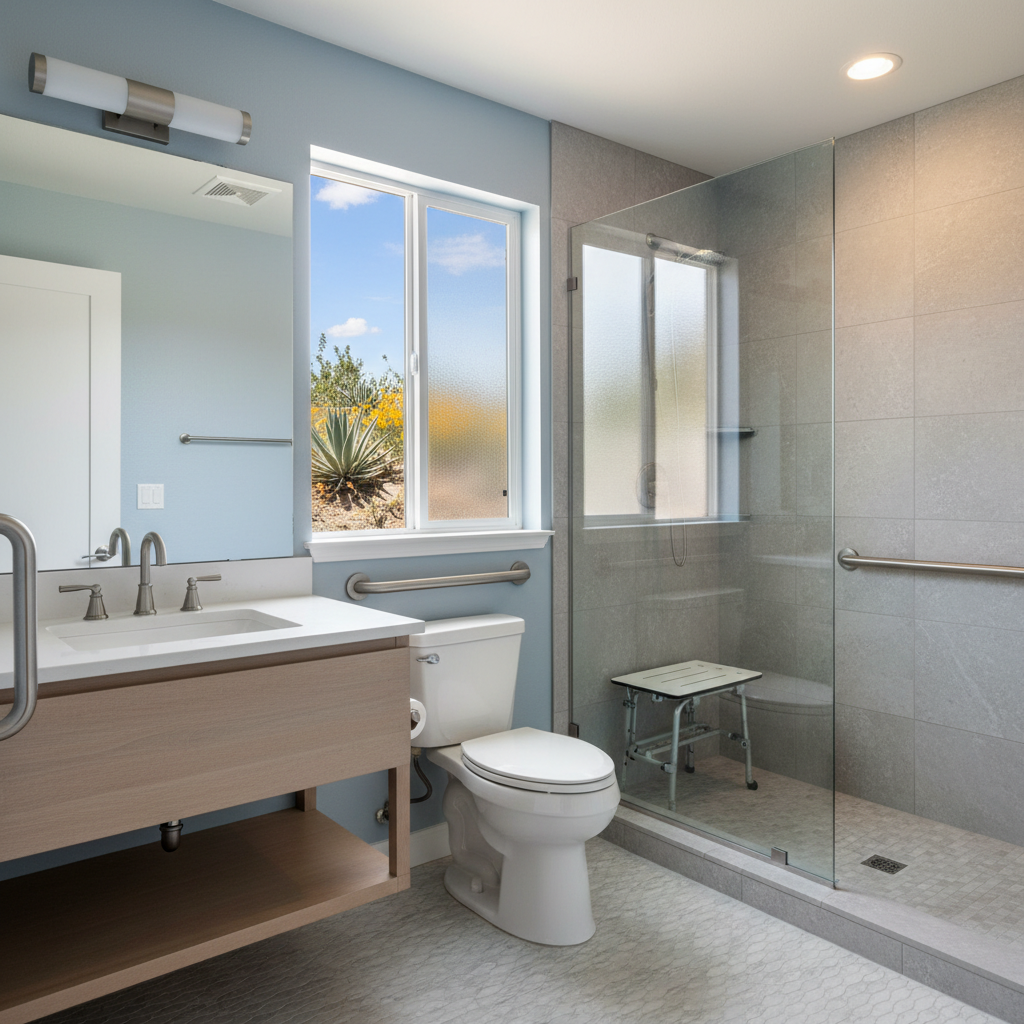
Thinking about an accessible bathroom remodel? That's a smart move, especially if you're planning to age in place or need to accommodate a family member with mobility challenges. But here's the thing: I've seen a lot of folks in Camarillo make some pretty common, and often costly, mistakes when they jump into these projects. You want a bathroom that's safe, functional, and still looks good, right? Let's talk about what to watch out for.
Mistake #1: Not Planning for the Future (or the Present)
This is probably the biggest one. People often think, "Okay, I need a grab bar here, maybe a roll-in shower there." And that's a start, but it's rarely enough. You've got to think about the full scope of needs, both now and down the road. Will a wheelchair need to turn around in that space? Is the toilet height right for someone who might struggle to stand up? What about door widths?
I've seen homes in older Camarillo neighborhoods, like the ones near Arneill Road, where doorways are just too narrow for a standard walker, let alone a wheelchair. If you're only thinking about today's needs, you might end up tearing things out and redoing them in a few years. That's a huge waste of time and money. Think about things like:
- Doorways: Aim for at least 32 inches clear opening, 36 inches is even better.
- Turning Radius: A 60-inch clear turning circle is ideal for wheelchairs. Can your current layout accommodate that?
- Reinforced Walls: Don't just slap grab bars on drywall. You need blocking behind the walls for proper support. If you don't plan for this during construction, adding them later means opening up walls.
- Fixture Heights: Toilets, sinks, and shower controls all need to be at accessible heights.
Mistake #2: Going DIY on Critical Accessibility Features
Look, I'm all for a good DIY project. Painting a wall, sure. But when it comes to something as critical as a handicap accessible bathroom, you really need pros. I've seen homeowners try to install grab bars themselves, only for them to pull out of the wall because they weren't anchored correctly. Or they'll try to build a shower ramp that ends up being too steep or slippery. These aren't just inconveniences; they're serious safety hazards.
An accessible bathroom isn't just about adding a few pieces of equipment; it's about creating a safe, integrated environment. You need someone who understands building codes, proper installation techniques, and how different elements work together to provide true accessibility. This isn't the place to cut corners. Your safety, or the safety of your loved one, is too important.
Mistake #3: Not Vetting Your Contractor Properly
This goes hand-in-hand with the DIY mistake. Not every contractor knows the ins and outs of accessible design. Just because someone can remodel a kitchen doesn't mean they understand ADA guidelines or universal design principles. I've heard horror stories from folks who hired a general contractor who promised they could do an accessible bathroom, only to end up with a shower pan that doesn't drain right or a sink that's still too high for a wheelchair.
When you're interviewing contractors, ask specific questions:
- Have you done accessible bathroom remodels before? Can I see examples or talk to references?
- Are you familiar with ADA guidelines and universal design principles?
- How do you ensure proper reinforcement for grab bars and other support features?
- What's your plan for waterproofing a roll-in shower?
Don't be afraid to dig deep. A good contractor, like us at Camarillo Bathroom Solutions, will be happy to answer these questions and show you their experience. We know what it takes to build a bathroom that's safe, functional, and looks great too.
Mistake #4: Forgetting About the Details (Like Lighting and Storage)
Accessibility isn't just about grab bars and ramps. It's about making the space truly usable and comfortable. Good lighting, for example, is often overlooked. Dim, shadowy bathrooms can be disorienting and increase the risk of falls, especially for those with vision impairments. Think about bright, even lighting, and perhaps even motion-sensor lights for convenience.
Storage is another big one. If someone is in a wheelchair, reaching for items in a high cabinet or bending down to a low one can be a real challenge. Think about pull-out shelves, open shelving, or cabinets with easy-to-reach handles. Even the type of flooring matters; a non-slip surface is crucial, especially in a wet environment. You don't want slick tile in an accessible shower.
Mistake #5: Focusing Only on Function, Ignoring Aesthetics
Just because a bathroom needs to be accessible doesn't mean it has to look clinical or institutional. This is your home! You want a space that's not only functional but also beautiful and inviting. With today's options, you can absolutely have both.
There are stylish grab bars that look like towel bars, beautiful non-slip tiles, and elegant vanity designs that accommodate wheelchair users. Don't settle for a sterile-looking bathroom. Work with a designer or contractor who can help you blend accessibility with your personal style. It's about creating a space you'll love, not just tolerate.
Planning an accessible bathroom is a big project, but it doesn't have to be overwhelming. By avoiding these common mistakes, you'll be well on your way to creating a safe, functional, and beautiful bathroom that serves your needs for years to come. Do your homework, ask the right questions, and don't be afraid to invest in quality and expertise. You won't regret it.